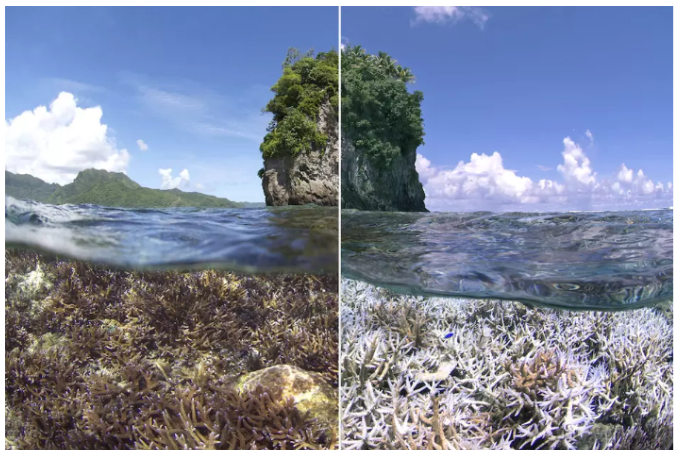

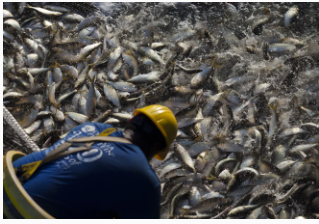
Have you ever wondered where the seafood you eat comes from, and whether or not it was obtained in an ethical, efficient, way? If you have not, then there is a chance that you are unaware of the dangers that come with overfishing, which is the threatening and unsustainable practice of harvesting aquatic organisms. Due to the United States being a behemoth seafood producer, there is a chance that overfishing entraps the seafood that millions of consumers eat each year without them even realizing it. In fact, the World Wildlife Federation (WWF) claims that The United States is one of the largest markets for imported seafood, bringing in more than 5.3 billion pounds of seafood per year, which is worth about $18 billion dollars annually. Overfishing is an overlooked issue that has disastrous effects on marine ecosystems around the world. In this article, I will be discussing the causes and effects of overfishing on bodies of water across the globe, and introducing ways that we can mitigate these problems.
By definition, the Environmental Defense Fund (EDF) defines overfishing as the act of catching too many fish at once, so the breeding population becomes too depleted to recover. The most common causes of overfishing are illegal fishing and growing consumer demand for seafood. Consequently, overfishing depletes marine species populations, diminishes biodiversity in marine ecosystems, and harms the economic security of fisheries.
Unfortunately, illegal fishing remains the greatest contributor to overfishing across the globe. Illegal fishing is when fishing practices violate national or international fishing regulations or laws. Some examples of illegal fishing include unauthorized fishing, or prohibited use of harmful fishing gears. Additionally, fishing during a “closed” season, which is the act of catching fish species during times where they are most vulnerable, is strictly banned in fishing industries. According to the World Wildlife Federation, estimates show that global losses of illegal fishing cost up to $36.4 billion each year. Illegal fishing decreases marine species population due to excessive harvesting of marine life, leaving underwater ecosystems in unstable conditions. Due to illegal fishing, there are no limitations over how much fisheries can withdraw from the ocean for their own benefit, posing even greater threats to our blue planet.
Furthermore, overfishing is a common response to high consumer demand for seafood products. The economic concept of supply and demand displays that the higher demand there is for a product, the higher the pressure to maintain its supply. Thus, it can be inferred that growing consumer demand for seafood pushes fisheries towards harmful fishing tactics to satisfy fluctuating consumer needs.
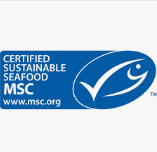
Thankfully, there are a few ways that each of us can do our part to ensure we do not contribute to the harmful practices of overfishing. By investing in sustainable seafood options, you are ensuring the seafood you purchase and eat is from a certified sustainable fishery that does not partake in illegal, harmful practices like overfishing. Purchasing foods with the Marine Stewardship Council (MSC) blue fish label ensures your seafood purchases are sustainable and reliable.
Moreover, by adopting sustainable fishing practices, such as catching fish in reasonable proportions and setting limits on catching amounts, you are protecting the balance of aquatic life in an ecosystem and ensuring its survival. Whether this practice is adopted by small fishing businesses or large fisheries, it can make a great difference on the stability of the ocean’s ecosystems.
Taking everything into consideration, overfishing is an issue that doesn’t just affect us humans; it affects the vulnerable, delicate sea life around us as well. The overconsumption of natural aquatic resources upsets the crucial balances of ecosystems that are necessary for the ocean to thrive, and in turn, for us humans to survive as well. When we take the time to see the impact of our actions on the environment around us, we start to initiate change. When we initiate change, we can preserve and protect our planet, ensuring that the delicate balance of aquatic life can be protected for future generations to cherish and experience.