

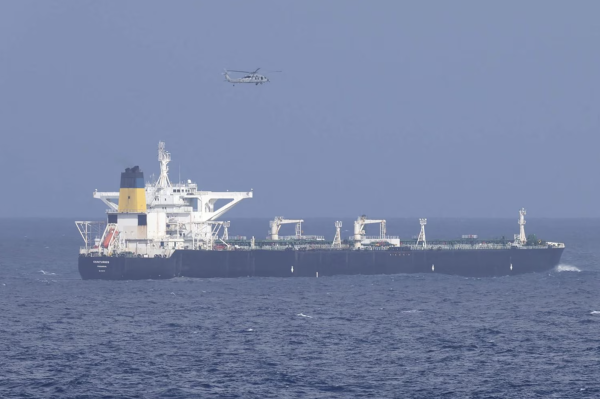
United States Marines and Navy sailors are leading raids on Venezuelan oil tankers traveling overseas, and recently intercepted their seventh ship on January 20 this year.
The Trump administration has been facilitating these raids so that the U.S. can gain more control over South American petroleum products. Even though these seizures have resulted in significant damage toward Venezuelan sanctioned tankers, President Trump has stated that this initiative would benefit both American and Venezuelan citizens.
That being said, there were several concerns following the raids regarding tensions with Russia and China, as one assaulted tanker between Iceland and Scotland was seen carrying the Russian flag. Since Chinese oil shipments have also been slowed, China has stated that further seizures would violate international and foreign affairs law.
While negotiating their economic relationship, President Trump declared that Venezuela, containing the largest oil reserves worldwide, would be exporting 50 million oil barrels into the United States, with some of them worth around $2.8 billion dollars.
U.S. Secretary of State Marco Rubio, while communicating with lawmakers, said that the U.S. would disperse and sell Venezuelan oil for current market rates using methods that would also positively impact Venezuelans, despite their suffering economy and naval dominance.
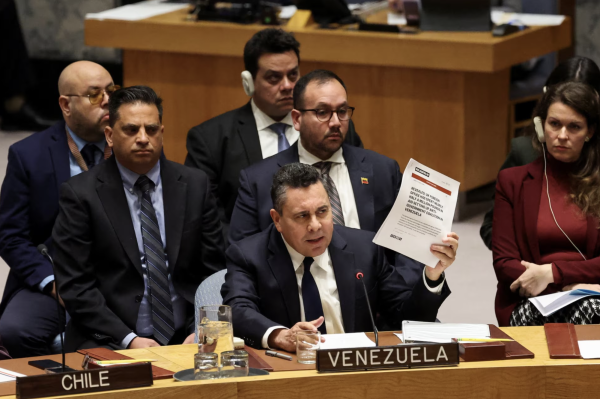
Along with these seizures, the U.S. had launched an operation into Caracas, capturing the Venezuelan President Nicolás Maduro on January 3, 2026, leaving the nation with economic and political strains. The goal of the infiltration was to prevent drug trafficking and supposed narco-terrorism and was supported by both the military and the Trump administration. President Maduro’s authoritarian position, startling poverty levels, and human rights abuses within the nation were just some of the reasons why the U.S. considered him an illegitimate President.
Overall, between the ongoing tanker raids across international seas and the dismantled presidency, the Venezuelan government and their crude oil trade have been left unstable after U.S. influence.