

Ocean Acidification is a complex topic, with the phenomenon having detrimental effects on the environment. Understanding ocean acidification is crucial to our efforts in conserving the world’s marine environments. Therefore, this article will be split into four sections that describe the causes and effects of Ocean Acidification. These sections are: ‘What is ocean acidification?’, ‘What causes ocean acidification?’, ‘What does ocean acidification affect?’, and lastly, ‘How can I reduce my impact?’ My hope is that by the end of this article, you will understand the impact of ocean acidification on marine environments and apply environmentally friendly approaches to your everyday life to help mitigate this issue.
- What is ocean acidification?
As described by the Scripps Institute of Oceanography, Ocean Acidification is the eventual decrease in seawater pH over time as the ocean absorbs carbon dioxide (CO2) from the atmosphere.
The ocean acts as a carbon sink—a natural or artificial reservoir that absorbs and stores atmospheric carbon dioxide through chemical or biological mechanisms. The ocean absorbs carbon dioxide emissions to maintain a balance between oceanic and atmospheric carbon content to prevent climate imbalances. Consequently, ocean acidification remains a growing issue in bodies of water, complicating the survivorship of marine life.
2. What causes ocean acidification?
Ocean acidification is primarily caused by carbon dioxide emissions, which are byproducts of deforestation, combustion of fossil fuels, and industrial processes. The release of sequestered (stored) carbon from carbon-storing reservoirs—such as forests, wetlands, and sediments—emits greenhouse gases into the earth’s atmosphere.
You have likely heard the term “greenhouse gas” before, but may be unfamiliar with the role it plays in global climate change. Greenhouse gases are atmospheric gases that trap heat from the Earth’s surface to insulate the planet. When greenhouse gases exist in excess, they imbalance global temperatures, which contributes to global warming and climate change. According to the EPA, the highest concentrations of greenhouse gases include Carbon Dioxide (79.7%), Methane (11.1%), Nitrous oxide (6.1%), and Fluorinated Gases (3.1%).
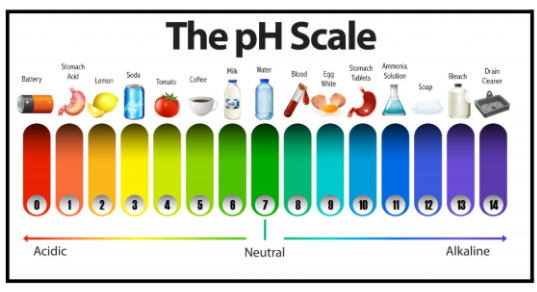
When the ocean absorbs excess atmospheric carbon dioxide, it reacts with seawater to form absorbable hydrogen ions (H+). As a result, the ocean’s pH (potential of hydrogen) increases, acting as an indicator of the number of hydrogen ions that are available in a fluid. pH is measured using a logarithmic scale that implies a fluid’s alkalinity or acidity. As pictured below, the pH scale ranges from 0 (being the most acidic), to 7 (the benchmark for neutrality) and ends at 14 (the most basic).
3. What does Ocean Acidification affect?
Ocean acidification affects a myriad of marine organisms, complicating their abilities to adapt and survive in their natural habitats. Specifically, an increase in pH decays the composition of shells for marine organisms such as oysters, corals, mussels, and scallops. According to Ocean—a sector of the Smithsonian Museum of Natural History—an increase in ocean acidity deteriorates the structure of calcium carbonate shells (CaCO3), which is essential to the defense mechanisms of marine organisms. As a result, marine organisms that rely on shells for protection will struggle to survive due to increased susceptibility to predators. Consequently, organisms could experience local species extinctions or be forced to migrate to more accommodating environments.
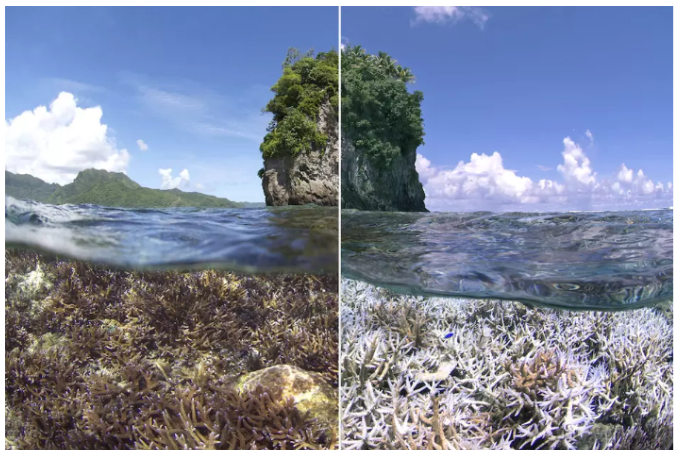
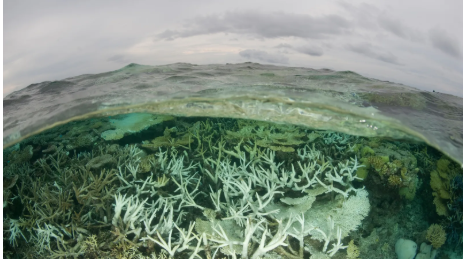
Algae and coral naturally engage in mutualism, a symbiotic relationship where two species equally benefit from each other’s resources. Algae reside safely within coral in exchange for the coral being provided with energy through photosynthesis. Unfortunately, ocean acidification can lead to coral bleaching, a natural process that occurs when algae are expelled from coral reefs in response to increased ocean temperatures. Inevitably, the coral becomes white due to a lack of colorful algae, leaving it easily susceptible to harm and in a fragile state.
4. How can I reduce my impact?
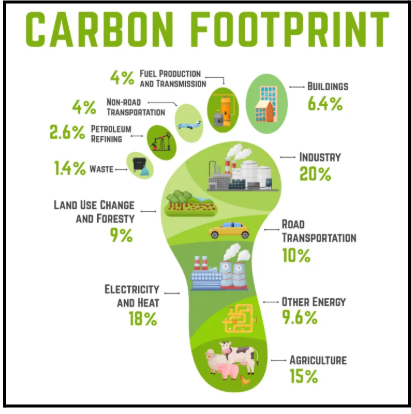
The best way to reduce your impact on ocean acidification is to reduce your carbon footprint. A “carbon footprint” is the measurement of greenhouse gases humans emit into the atmosphere through routine tasks. Carbon footprints are determined by factors such as transportation, food eaten, and electricity usage. The higher your carbon footprint, the more your daily tasks harm the environment. The lower your carbon footprint, the less your activities harm the environment.
Here are 3 feasible methods to lower your carbon footprint:
- Switching to LED lighting: LED lighting has been proven to be more environmentally sustainable due to its longevity and energy efficiency. As stated by Indiana University of Pennsylvania, LED lights can last up to 20 years and have an energy efficiency between 80 and 90 percent. LED lights are 100% recyclable and made from sustainable materials, unlike Fluorescent light bulbs that often contain harmful chemicals, such as mercury.
- Drive less: Vehicular commutes contribute to some of the highest greenhouse gas emissions. Instead of driving a car to your next destination, try to see if you can walk, bike, or take public transport as an alternate option. Carpooling is also an effective method that reduces the number of vehicles on the road, minimizing CO2 emissions, because there are more people in one car and less vehicles on the road.
- Support local sustainable organizations and businesses: An effective way to reduce your footprint is to support local businesses that have sustainability policies and practices. By ensuring that your money is going towards businesses that have environmentally sustainable policies, you are effectively doing your part to prevent pollutants and emissions from reaching the atmosphere.
- Marlton’s Farmers Market is a summer market that sells locally-sourced fruits and vegetables, as well as sustainable home products.
- The Black Run Preserve is a local environmental non-profit organization located in the New Jersey Pine Barrens. The goal of the Preserve is to conserve and protect the Pine Barrens wildlife while promoting environmental education.
- The Evesham Green Team is a resident-based volunteer organization that promotes sustainable practices in Evesham. The Green Team openly works alongside residents, local non-profits, businesses, and Evesham Township elected officials to promote their sustainability efforts. Membership for The Green Team is open to all interested.
While it is extremely important to confront the reality of daunting environmental issues, it is just as important to approach them with optimism and activism. Profound portions of our lives are intertwined with the natural world, whether we recognize it or not, from taking walks in a park to using nature as a muse for artistic expression. Therefore, we cannot simultaneously indulge in all nature has to offer while ignoring the rapid climate changes impacting our environment. It is our collective responsibility to protect and preserve the habitats that wildlife depends on, amidst the rapid progression of climate change.